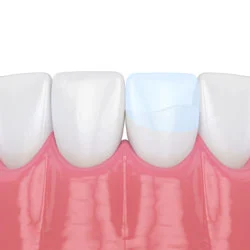
Bonding
Dental bonding is one of the fastest, most affordable ways to correct chips, small gaps, discoloration, and minor cracks in your smile, often in a single visit and without drilling or anesthesia. If a front tooth has bothered you for years but a full veneer or crown feels like too much, bonding is likely the middle-ground fix you’ve been looking for. It uses a tooth-colored composite resin that we shape, harden with a curing light, and polish so the repair blends seamlessly with the rest of your smile.
At Porche Dental Care, we have served Houma families for the past decade, and Dr. Corey Porche brings 20 years of clinical experience to every case. Because bonding is often the entry point into a larger cosmetic conversation, we treat it as more than a quick patch. We evaluate the tooth, discuss whether bonding or an option like porcelain veneers is the better long-term fit, and walk you through the cost before we ever pick up a shade guide.
What Is Dental Bonding?
Dental bonding is a cosmetic and restorative procedure that uses composite resin, the same tooth-colored material used in modern dental fillings, to reshape or repair a tooth. The resin is applied directly to the tooth surface, molded by hand, and then cured with a specialized light that hardens it in seconds. Once polished, the finished result reflects light and feels like natural enamel.
Composite resin sits within the broader family of tooth-colored restorative materials that dentists rely on for both function and appearance. According to the National Institute of Dental and Craniofacial Research, composite resins can be matched to the natural shade of your teeth, which is why they have become a leading material for esthetic repairs on visible teeth.
When Is Dental Bonding a Good Option?
Bonding is a strong fit when the change you want to make is small, contained, and above the gumline. It works well for:
- Minor chips or cracks in a front tooth
- Small gaps between teeth without orthodontics
- Slightly misshapen or short teeth
- Exposed tooth roots from receding gums
- Discolored teeth that don’t respond to professional teeth whitening
This isn’t a full smile makeover, but it can absolutely restore confidence in a smile that’s been chipped, worn, or slightly discolored.
Larger structural damage, deep decay, or a tooth that has already been root canal treated will usually call for a same-day CEREC crown instead. During your consultation, we help you weigh the pros and cons based on how the tooth looks, how it functions, and how long you want the result to last.
What to Expect During Your Bonding Appointment
Most bonding cases take between 30 and 60 minutes per tooth and require no anesthesia unless we are also repairing a nearby cavity. No lab wait, no temporary restoration, and no follow-up placement visit. You walk in with the concern and leave with it addressed.
We start by matching a resin shade to your surrounding teeth so the finished tooth does not stand out. Next, we lightly etch the tooth surface, apply a conditioning liquid, and layer the resin. Once each layer is cured, we sculpt the final shape by hand, refine your bite, and polish everything to a natural finish. With reasonable care, bonded teeth commonly last five to ten years before they need to be refreshed or replaced.
Frequently Asked Questions
Below are the questions our Houma patients ask most often about dental bonding:
Does Dental Bonding Hurt?
Bonding rarely involves pain. Because we typically remove little to no natural tooth structure, most patients do not need any numbing at all. For most people, the most sensitive part of the appointment is the polishing step at the end.
How Long Does Dental Bonding Last?
With good oral hygiene and a few habit adjustments, bonded teeth generally last five to ten years. Avoiding chewing on ice, pens, and fingernails, and staying on top of routine cleanings, will help you get the most out of the repair.
Can Bonded Teeth Be Whitened?
Composite resin does not respond to whitening treatments the way natural enamel does. If you are considering whitening, we recommend completing that treatment first, then color-matching the bonding to your newly brightened shade.
Does Insurance cover Dental Bonding?
Because we are a fee-for-service practice, coverage depends on your specific plan and whether the bonding is considered cosmetic or restorative. Our team is happy to help you use your out-of-network benefits and can walk you through payment options, including CareCredit financing.
How Much Does Dental Bonding Cost in Houma?
Cost varies based on the number of teeth treated and the complexity of the shape work involved. We provide a written estimate before any treatment begins so there are no surprises after your visit.
Trusted Cosmetic Dentistry in Houma at Porche Dental Care
Bonding is one of the most conservative cosmetic treatments we offer, and it is often the first step patients take toward a bigger smile transformation. Dr. Corey Porche has practiced dentistry for 20 years, and our team uses modern tools like our CEREC same-day system and in-office 3D printer to keep visits efficient without cutting corners on quality. Whether you need one small chip repaired or you want to talk through a full cosmetic plan, we take the time to explain each option, the expected lifespan, and the investment before you commit.
We work with a range of insurance plans as an out-of-network provider and offer CareCredit financing to keep treatment affordable for Houma families. To find out whether bonding is the right fix for your smile, schedule a consultation with our Houma team today.